 简体中文
 English
 日本語
 한국어
 Français
 Deutsch
 Español
 Português
 Русский
 العربية
 ไทย
 Tiếng Việt
Step 1: Prepare Your Technical Documentation Package
Before contacting a factory, you need to prepare a technical documentation package. This document determines whether the factory can provide an accurate quote and whether the sampling process will pass on the first attempt.
The package should include:
- Product Reference: Photos, drawings, or competitor links. If you're modifying an existing factory model, simply note the model number.
- Critical Dimensions: Installation hole spacing (e.g., 4-inch center-to-center, single-hole, three-hole), spout height and reach, handle position.
- Target Flow Rate: Flow standards vary by market. The North American market typically requires 1.5 GPM or lower (WaterSense standard), while European markets have their own water efficiency requirements.
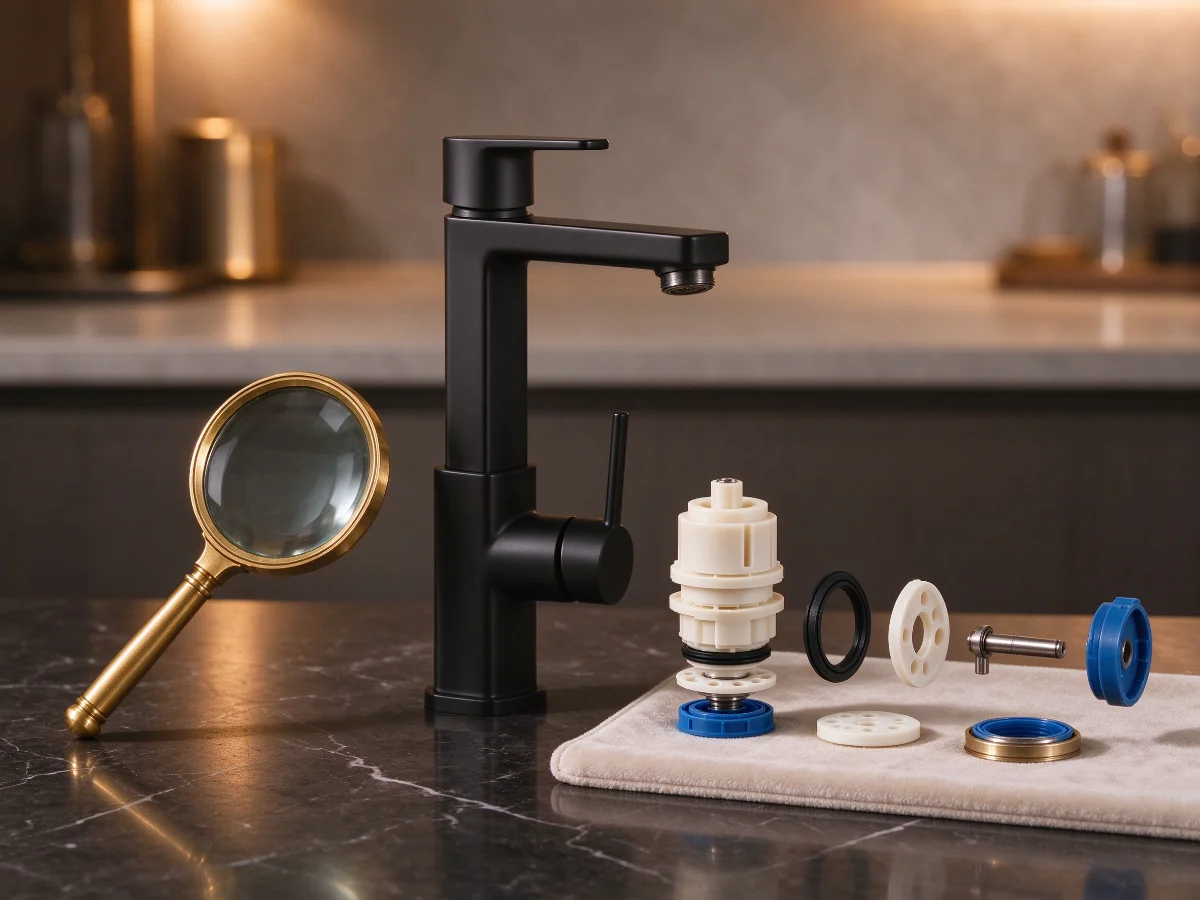
- Cartridge Specifications: Ceramic cartridge or other type, whether thermostatic functionality is needed.
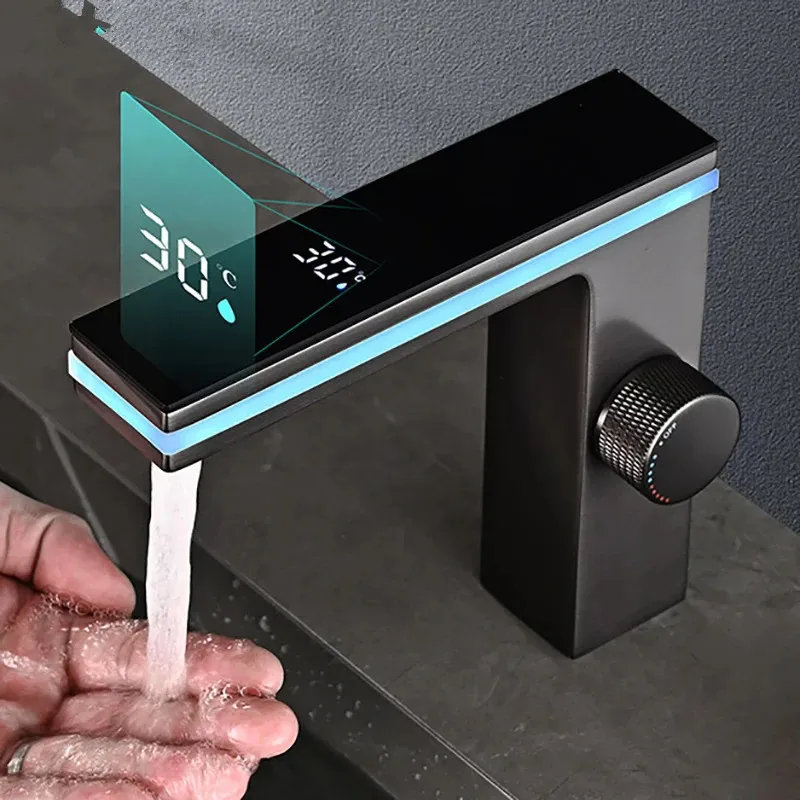
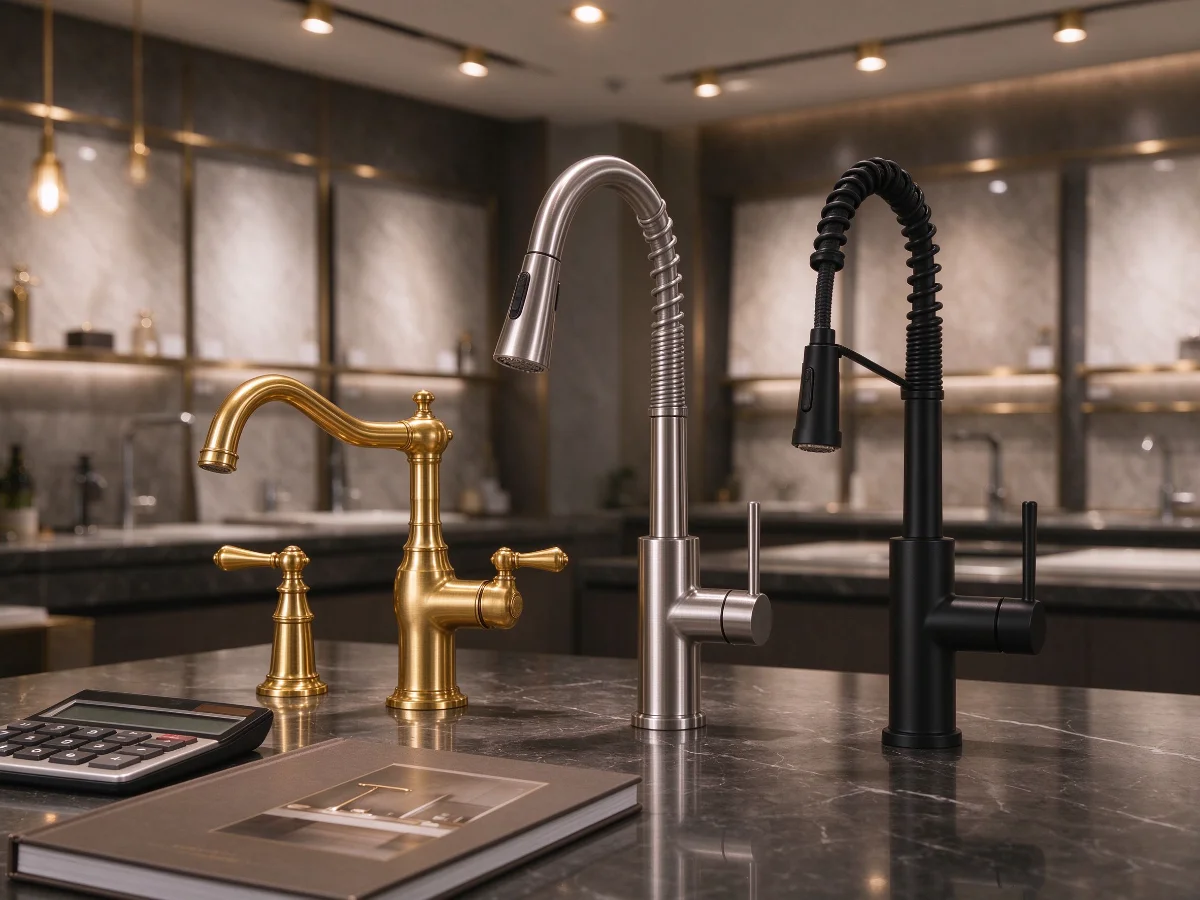
- Surface Finish: Specify chrome, PVD matte black, brushed nickel, or other, ideally with a color swatch or reference number.
- Target Market: Different markets have different certification requirements (detailed below).
Step 2: Understand the Difference Between OEM and ODM
These two models differ fundamentally in their operations:
ODM (Original Design Manufacturing): Uses the factory's existing product structures and molds, focusing on customizing surface finishes and branding. For example, based on an existing pull-out kitchen faucet model from the factory, you can apply your brand logo and custom packaging. ODM typically has lower MOQs and shorter lead times, making it ideal for quickly launching a product line.
OEM (Original Equipment Manufacturing): Requires developing new molds based on your design. The process includes: design confirmation → mold making → first article inspection → sample confirmation → mass production. OEM requires higher upfront investment (mold costs) and higher MOQs, suitable for brands with clear product differentiation needs.
A practical tip: If you're doing private label for the first time, start with ODM to validate the market. Once order volumes for a particular model stabilize, consider investing in OEM molds for that model.
Step 3: Certification Planning
Certification is the most underestimated part of private label projects. Core requirements by market:
North American Market: cUPC certification is the basic requirement. Drinking water contact components must comply with NSF/ANSI 61 Section 9. NSF/ANSI 372 specifies that the weighted average lead content of products contacting drinking water must not exceed 0.25%. If the product needs to be labeled WaterSense, it must also pass review by an EPA-recognized certification body. [To verify: Which TKJBATH models currently hold these certifications]
European Market: The UK and some European countries may require WRAS certification, Australia requires WaterMark, and France requires ACS. These certifications vary significantly in testing cycles and costs. It's recommended to prioritize them based on your target markets and start with certifications for core markets. For the German market, DVGW and KTW certifications as well as UBA assessment are particularly relevant.
Pre-Certification Check: Before finalizing your product plan, ask the factory one question: "Does this model already have an NSF/ANSI 61 or cUPC report?" If the factory already has existing reports, you can significantly shorten time to market. If not, allow 2–4 months for the certification cycle.
Step 4: Packaging and Branding
Packaging design is often left to the end, but it directly affects the unboxing experience and brand perception.
Logo Application Methods:
- Laser Engraving: Engrave the logo on the faucet body or handle, excellent durability, suitable for mid-to-high-end positioning.
- Silk Screen/Tampo Printing: Print on the decorative cap or base, lower cost, suitable for budget products.
Packaging Tiers:
- Basic Version: White box + product + installation instructions. Suitable for distribution channels.
- Brand Version: Color box + logo + custom insert + installation guide + warranty card. Suitable for retail or e-commerce channels.
- Gift Version: Gift box + custom insert + brand booklet. Suitable for high-end retail or project gifts.
Installation manuals need to be prepared in the target market's language. For English-speaking markets, the manual must be in English. This step can be coordinated with the factory after sample confirmation.
Step 5: Sample Confirmation and Mass Production
Sample Phase: After receiving the sample, we recommend the following checks—Is the surface finish uniform and free of color variation? Does the handle rotate smoothly? Is the water flow even and leak-free? Do the installation dimensions match the drawings? If there are issues, submit all modification requests at once to avoid multiple rounds of rework.
Mass Production Phase: First Article Inspection (FAI) is a critical step. After confirming the first article matches the approved sample, proceed with full production. Inspection items include appearance, function, and packaging. We recommend keeping the first article sample as a reference standard for future orders.
Step 6: Timeline Reference
| Phase | ODM | OEM |
|---|---|---|
| Requirement confirmation & quotation | 1–2 weeks | 2–3 weeks |
| Sampling | 2–3 weeks | 4–6 weeks (incl. mold making) |
| Certification (if required) | 2–4 months | 2–4 months |
| Mass production | 2–4 weeks | 3–5 weeks |
| Total | Approx. 2–3 months (excl. certification) | Approx. 4–6 months (excl. certification) |
The certification cycle depends on product complexity and certification body scheduling. Early planning is recommended.
Step 7: Frequently Asked Questions (FAQ)
Q1: What is the minimum order quantity (MOQ) for a private label faucet project?
A: MOQ depends on the product model and customization method. ODM typically has lower MOQs, suitable for first orders to test the market; OEM requires higher MOQs due to mold making. The specific value needs to be confirmed with the factory.
Q2: What certifications are required for a private label faucet?
A: It depends on the target market. The North American market typically requires cUPC certification, with drinking water contact components complying with NSF/ANSI 61; the European market may require WRAS; Australia requires WaterMark. For the German market, DVGW, KTW, and UBA are relevant. We recommend confirming your target market first, then planning certifications.
Q3: How long does it take from order to mass production?
A: ODM takes approximately 2–3 months (excluding certification), OEM approximately 4–6 months (excluding certification). The certification cycle typically requires an additional 2–4 months.
Q4: Can I customize my own logo on the faucet?
A: Yes. Common methods include laser engraving (excellent durability, suitable for mid-to-high-end) and silk screen/tampo printing (lower cost, suitable for budget products). The choice of technique depends on the product material and positioning.
Q5: How do I ensure the sample matches the mass production product?
A: We recommend performing a First Article Inspection (FAI) during the mass production phase, confirming the first article matches the approved sample before full production begins. Keep the first article sample as a reference standard for future orders.
Step 8: Start Your Private Label Faucet Project
If you're planning a private label faucet project, feel free to contact the TKJBATH team. We can provide ODM selection advice, OEM feasibility assessment, and certification planning support based on your target market, product positioning, and budget.